Description
Byzantine Drawing II: The Full-Standing Figure (Online)
Description
Deepen your understanding of the ancient artistic language of Byzantine iconography by learning to draw the full-standing human figure, using the sacred geometry, proportions, and compositional principles that have guided iconographers for centuries.
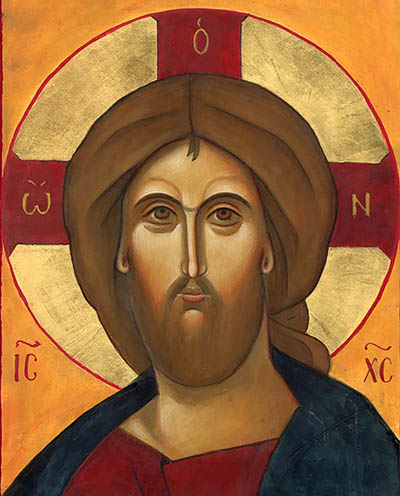
Unlike Western academic drawing, which emphasizes naturalistic anatomy and perspective, Byzantine iconography employs a distinctive system of geometric relationships and proportional modules to represent the human figure. These principles create the characteristic balance, rhythm, and spiritual presence found in traditional icons.
Byzantine Drawing II focuses on the geometry of the full-standing figure, exploring a system of proportions that differs from the facial geometry taught in Byzantine Drawing I. Because these are distinct areas of study, students may enroll in Byzantine Drawing II without having completed Byzantine Drawing I.
Through step-by-step demonstrations and guided drawing exercises, students will learn to construct both static frontal figures and the graceful, dynamic three-quarter poses characteristic of Byzantine iconography. Particular attention will be given to the inverted S-curve, which creates the subtle movement and rhythmic balance seen in many traditional iconographic figures.
Students will also explore how garments relate to the underlying structure of the body, how proportional modules govern the relationships among its parts, and how to scale drawings accurately for icons of different sizes.
To complement the practical instruction, students will examine historical icons from different periods, tracing how the representation of the human figure evolved across the centuries while preserving the essential visual language of Byzantine sacred art.
Why Study the Full-Standing Byzantine Figure?
The human figure is central to the visual language of Byzantine iconography. Saints, apostles, prophets, angels, and biblical figures are represented according to artistic conventions developed over centuries to communicate both their human identity and their transfigured spiritual nature.
Unlike naturalistic figure drawing, Byzantine drawing does not simply reproduce the body as it appears to the eye. Instead, it organizes the figure through a disciplined system of proportions, geometric relationships, and rhythmic lines that communicate dignity, movement, and spiritual presence.
Learning these principles gives students a foundation for drawing figures independently, understanding historical prototypes, and composing more complex icons.
Mastering the geometry of the full-standing figure is an essential step toward greater confidence and independence in iconographic drawing and composition.
What Makes This Course Unique?
Unlike conventional figure-drawing classes that emphasize anatomical realism, Byzantine Drawing II introduces students to the traditional geometric systems underlying the full-standing figures found in Byzantine icons.
Students learn not only how to construct a figure, but why its proportions, posture, and movement differ from those of naturalistic art. By studying historical prototypes and applying traditional proportional methods, students develop a deeper understanding of the artistic and theological principles that distinguish Byzantine iconography.
A Structured Learning Experience
Students receive an extensive, step-by-step instructional manual in PDF format that guides the drawing process and serves as a lasting reference for future iconographic work.
Weekly demonstrations, guided exercises, and individualized feedback help students develop technical competency and confidence.
Because drawing is learned through careful observation and repetition, students are encouraged to practice between sessions and submit their assignments for personalized correction.
The Flexibility of Online Instruction
This course combines live Zoom instruction with the flexibility of recorded lessons and individual feedback.
Google Classroom serves as the central resource library for the course, providing access to assignments, instructional materials, recorded lectures, and instructor feedback.
Students may participate in the live Zoom sessions or review the recordings at their convenience. Although live attendance is not required, participation is encouraged because it provides opportunities to ask questions and benefit from the instructor’s demonstrations and discussion.
Online courses are generally shorter than the Institute’s in-person programs because substantial individual instruction occurs outside the scheduled class through the review and correction of submitted drawings.
What You’ll Learn
By the completion of this course, you will:
- Understand the geometric principles and proportional modules used to construct the full-standing Byzantine figure.
- Learn to draw the human figure using traditional iconographic proportions rather than naturalistic anatomical measurements.
- Construct static frontal figures with balanced proportions and symmetrical composition.
- Draw dynamic three-quarter figures using the characteristic inverted S-curve to establish movement and rhythm.
- Understand the proportional relationships among the head, torso, arms, legs, and other parts of the body.
- Learn how traditional Byzantine garments relate to the underlying structure and movement of the figure.
- Develop techniques for drawing and organizing garment folds within the overall composition.
- Learn to enlarge or reduce iconographic drawings while maintaining accurate proportions.
- Compare historical iconographic prototypes to understand how the representation of the human figure developed across different periods.
- Develop greater confidence in interpreting traditional prototypes and drawing full-standing figures independently.
Prerequisites
Some prior drawing experience or familiarity with Byzantine iconography is helpful.
Completion of Byzantine Drawing I is not required. The geometric construction of the full-standing figure is taught independently of the facial geometry covered in Byzantine Drawing I.
Students who have completed Byzantine Drawing I will find this course a valuable continuation of their studies, while others may begin their exploration of Byzantine figure drawing with this program.
Class Format – Online
Live Zoom Instruction and Recorded Lessons
Meeting Day: Tuesdays
Meeting Time: 1:00–2:30 PM Pacific Time
Meeting Dates:
- Feb. 16, 23
- March 2, 9, 16, 30
- Apr. 6, 13, 20, 27
No class during Holy Week (March 23).
Each online session is scheduled for up to 90 minutes and focuses on a specific drawing concept or technique.
Because lessons are carefully structured around individual learning objectives, some sessions may conclude before the full 90 minutes. Actual duration depends upon the material presented, student participation, and the number and complexity of questions.
In addition to the live instruction, the instructor provides individualized corrections and feedback on drawings submitted through Google Classroom.
Live attendance is encouraged but not required. Recorded lectures and course materials will be available through Google Classroom.
No classes during Holy Week.
Instructional Materials
Students receive:
- A comprehensive step-by-step Byzantine Drawing II manual in PDF format.
- Access to Google Classroom for assignments, instructional resources, and course communications.
- Recordings of the weekly instructional lectures.
- Individualized feedback and corrections on submitted drawing assignments.
- Instructions for participating in the online course.